•
2026/03/28•HEMSCap Content Writer
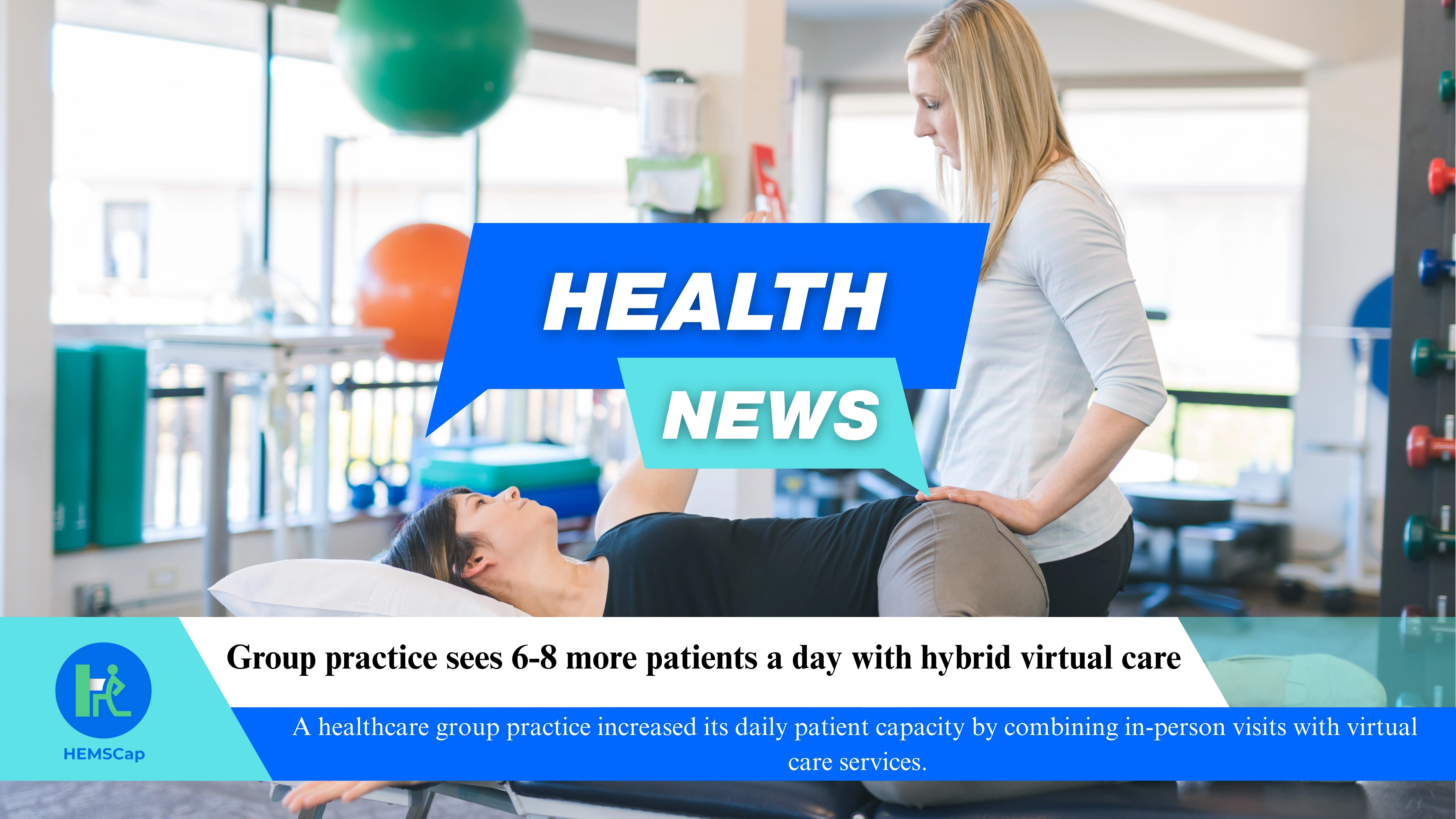
Group practice sees 6-8 more patients a day with hybrid virtual care
Hybrid care is rapidly emerging as a powerful model in modern healthcare delivery, enabling providers to combine traditional in-person visits with virtual care services. This integrated approach is helping clinics optimize their workflows, expand patient access, and significantly improve operational efficiency.
According to recent insights, healthcare group practices that adopt hybrid care models can see 6 to 8 more patients per day. By incorporating telehealth and video consultations into their daily routines, clinicians are able to reduce scheduling gaps, minimize no-shows, and provide care more flexibly. This not only increases the number of patients served but also enhances the overall patient experience.
One of the key advantages of hybrid care is its ability to improve accessibility. Patients who may face barriers such as distance, mobility issues, or time constraints can receive care remotely without compromising quality. At the same time, in-person visits remain available for cases that require hands-on evaluation or treatment, ensuring a balanced and effective care model.
From a clinical perspective, hybrid care also supports better patient engagement and continuity of care. Digital tools allow providers to monitor progress, communicate more frequently with patients, and make timely adjustments to treatment plans. This leads to more personalized care and improved health outcomes.
As healthcare continues to evolve, digital platforms are playing a critical role in enabling this transformation. Solutions that integrate remote monitoring, AI-driven insights, and digital exercise programs are helping providers deliver smarter and more efficient care.
HEMSCap is at the forefront of this innovation, offering AI-powered tools designed specifically for physical therapy. With features such as remote patient monitoring, real-time feedback, and intelligent care planning, HEMSCap helps clinics improve treatment outcomes, increase efficiency, and deliver a better patient experience.