•
2026/02/07•HEMSCap Content Writer
What Is the Difference Between RTM and RPM in Physical Therapy ?
Introduction
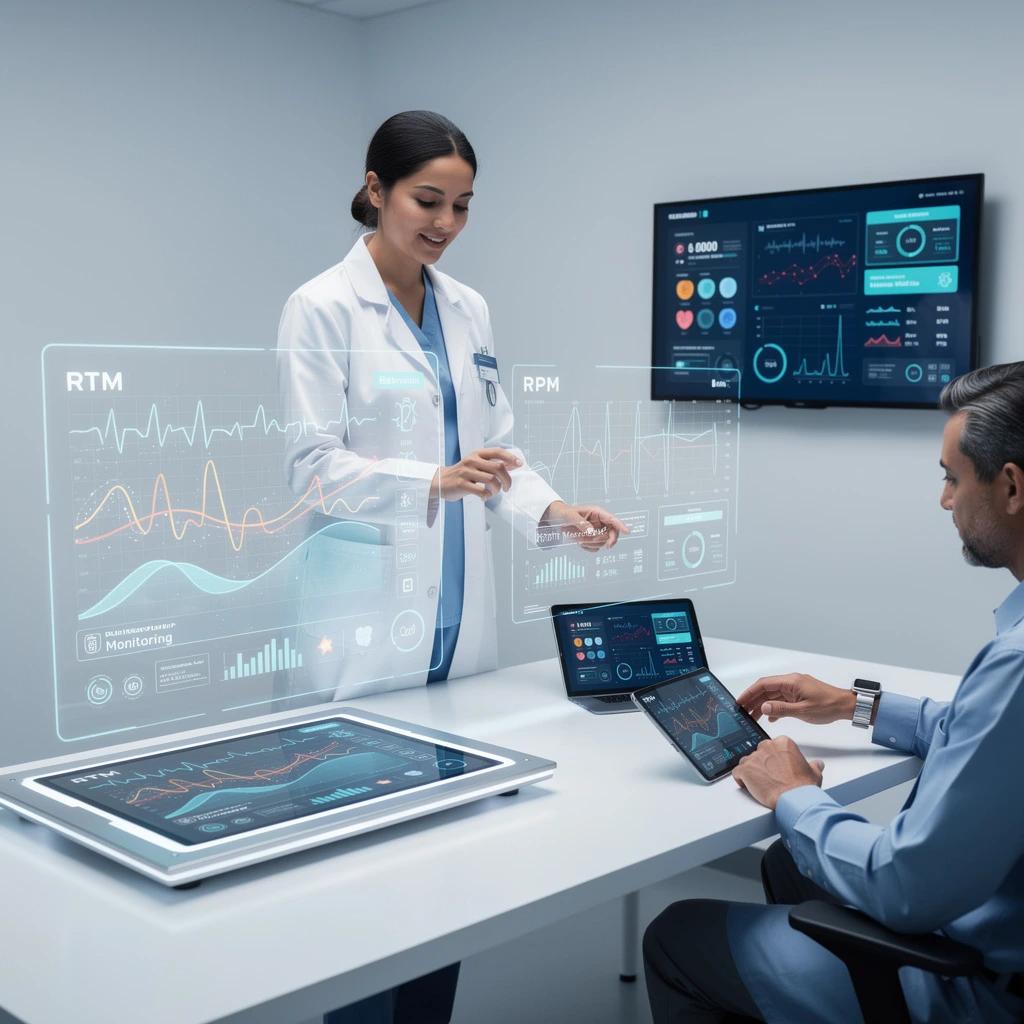
Remote monitoring technologies have rapidly transformed the way healthcare services are delivered, especially in physical therapy and musculoskeletal care. As clinics expand beyond in-person visits, two terms are increasingly used—and often confused: Remote Therapeutic Monitoring (RTM) and Remote Patient Monitoring (RPM).
Although RTM and RPM may appear similar at first glance, they differ significantly in terms of purpose, data collection, clinical focus, and reimbursement structures. Understanding these differences is essential for physical therapy clinics, healthcare administrators, and digital health decision-makers who want to implement compliant and effective remote care programs.
This article provides a clear, evidence-based explanation of the difference between RTM and RPM, how each model works, when to use them, and what they mean for modern physical therapy practices.
What Is Remote Patient Monitoring (RPM)?
Remote Patient Monitoring (RPM) refers to the collection and transmission of physiological health data from patients outside of traditional clinical settings. RPM has been widely used in chronic disease management and primary care long before its adoption in rehabilitation.
Core Purpose of RPM
RPM is designed to monitor medical and physiological parameters that reflect a patient’s general health status. These measurements help clinicians detect deterioration early and manage chronic conditions remotely.
Common RPM Data Types
RPM typically involves objective biometric data, including:
- Vital signs monitoring
- This includes heart rate, blood pressure, oxygen saturation, and body weight. These metrics are critical for managing conditions such as hypertension, heart failure, and COPD.
- Device-generated physiological data
- Data is collected through FDA-cleared medical devices such as blood pressure cuffs, pulse oximeters, or glucose monitors and transmitted automatically to clinicians.
What Is Remote Therapeutic Monitoring (RTM)?
Remote Therapeutic Monitoring (RTM) is a newer care model introduced to address the limitations of RPM for rehabilitation and therapy-based services.
Core Purpose of RTM
RTM focuses on monitoring therapeutic activities and patient adherence, rather than physiological vitals. It is specifically designed for non-physician services such as physical therapy, occupational therapy, and speech therapy.
What RTM Monitors
Unlike RPM, RTM captures therapy-specific and patient-reported data, including:
- Therapeutic exercise performance
- Data may include repetitions, range of motion, duration, and consistency of prescribed exercises performed at home.
- Patient-reported outcomes and adherence
- Patients report pain levels, difficulty, functional improvement, and compliance with treatment plans through digital platforms.
Difference Between RTM and RPM: A Clear Comparison
Understanding the difference between RTM and RPM requires examining several core dimensions.
Type of Data Collected
- RPM focuses on physiological data
- RPM tracks medical vitals that reflect systemic health, often unrelated to movement or therapy progress.
- RTM focuses on therapeutic data
- RTM monitors how patients perform prescribed interventions, making it more relevant to physical therapy and rehabilitation.
Clinical Use Cases
- RPM use cases
- RPM is commonly used in cardiology, endocrinology, pulmonology, and chronic disease management where physiological stability is the primary concern.
- RTM use cases
- RTM is best suited for musculoskeletal rehabilitation, post-operative recovery, chronic pain management, and long-term physical therapy programs.
RTM vs RPM in Physical Therapy Settings
Physical therapy clinics often ask whether RPM can replace RTM. In practice, the answer is no.
Why RPM Is Limited in Physical Therapy
RPM does not track movement quality, exercise technique, or adherence to therapeutic plans. Vital signs alone do not reflect functional recovery or rehabilitation progress.
Why RTM Fits Physical Therapy Better
RTM aligns naturally with physical therapy workflows because it:
- Captures therapy-specific outcomes
- Supports home exercise programs
- Enables ongoing engagement outside the clinic
- Reflects functional improvement rather than general health status
Reimbursement Differences Between RTM and RPM
One of the most important distinctions between RTM and RPM lies in reimbursement structures, particularly in the United States.
RPM Reimbursement Overview
RPM reimbursement is governed by CPT codes that require:
- FDA-cleared medical devices
- Collection of physiological data
- Physician or qualified healthcare professional oversight
RPM reimbursement is often limited for physical therapists due to scope-of-practice restrictions.
RTM Reimbursement Overview
RTM CPT codes were created specifically to support therapy-based services. Key characteristics include:
- No requirement for FDA-cleared devices
- Acceptance of patient-reported data
- Eligibility for billing by physical therapists
- Focus on musculoskeletal and respiratory therapy
This makes RTM significantly more accessible for physical therapy clinics.
Technology Requirements: RTM vs RPM
RPM Technology Infrastructure
RPM requires:
- Medical-grade monitoring devices
- Secure data transmission systems
- Integration with electronic health records
- Compliance with device regulations
These requirements increase operational complexity and cost.
RTM Technology Infrastructure
RTM platforms typically include:
- Mobile apps or web-based tools
- Exercise tracking and reporting features
- Patient engagement dashboards
- Communication tools between therapist and patient
RTM technology is generally easier to implement and scale within physical therapy practices.
Patient Engagement and Adherence
Engagement in RPM Programs
RPM engagement is often passive. Patients wear or use devices, but interaction with care plans may be minimal unless alerts are triggered.
Engagement in RTM Programs
RTM encourages active participation by:
- Requiring regular patient input
- Providing feedback on exercise performance
- Reinforcing accountability and motivation
- Supporting long-term behavior change
This active engagement is critical for successful rehabilitation outcomes.
Compliance and Regulatory Considerations
Both RTM and RPM must comply with healthcare regulations, but their requirements differ.
RPM Compliance Factors
RPM programs must ensure:
- Use of approved medical devices
- Secure handling of biometric data
- Physician supervision
These factors add regulatory complexity.
RTM Compliance Factors
RTM compliance focuses on:
- Data security and patient privacy
- Proper documentation of therapeutic services
- Accurate reporting of patient-reported data
RTM aligns well with existing physical therapy documentation standards.
Choosing Between RTM and RPM
The decision between RTM and RPM depends on clinical goals rather than technology trends.
- Choose RPM when
- The primary objective is monitoring physiological stability or managing chronic medical conditions.
- Choose RTM when
- The goal is improving functional outcomes, tracking therapeutic progress, and supporting rehabilitation outside the clinic.
Many organizations ultimately use both models—but for distinct purposes.
Final Thoughts
Understanding the difference between RTM and RPM is essential for delivering effective, compliant, and patient-centered remote care. While RPM plays a critical role in monitoring physiological health, it is not designed to meet the specific needs of rehabilitation or physical therapy.
RTM fills this gap by focusing on therapeutic activities, patient adherence, and functional outcomes—making it a powerful tool for modern physical therapy practices. By choosing the right monitoring model, clinics can improve care quality, increase engagement, and align technology with real clinical value rather than adopting solutions that do not fit their scope of practice.
FAQ: Frequently Asked Questions
1. Is RTM the same as RPM?
No. RTM and RPM serve different purposes. RPM tracks physiological data, while RTM focuses on therapeutic activities and patient adherence.
2. Can physical therapists bill for RPM?
In many cases, RPM billing is limited for physical therapists due to regulatory and scope-of-practice requirements.
3. Why was RTM created?
RTM was introduced to support therapy-based services that are not adequately addressed by RPM models.
4. Does RTM require medical devices?
No. RTM does not require FDA-cleared medical devices and can use patient-reported and digital activity data.
5. Can RTM and RPM be used together?
Yes. Some healthcare organizations use both, but each should be applied based on its appropriate clinical use case.