•
2026/07/09•HEMSCap Content Writer
How AI–Powered Data-Driven Rehabilitation is Transforming Modern Physical Therapy
Introduction
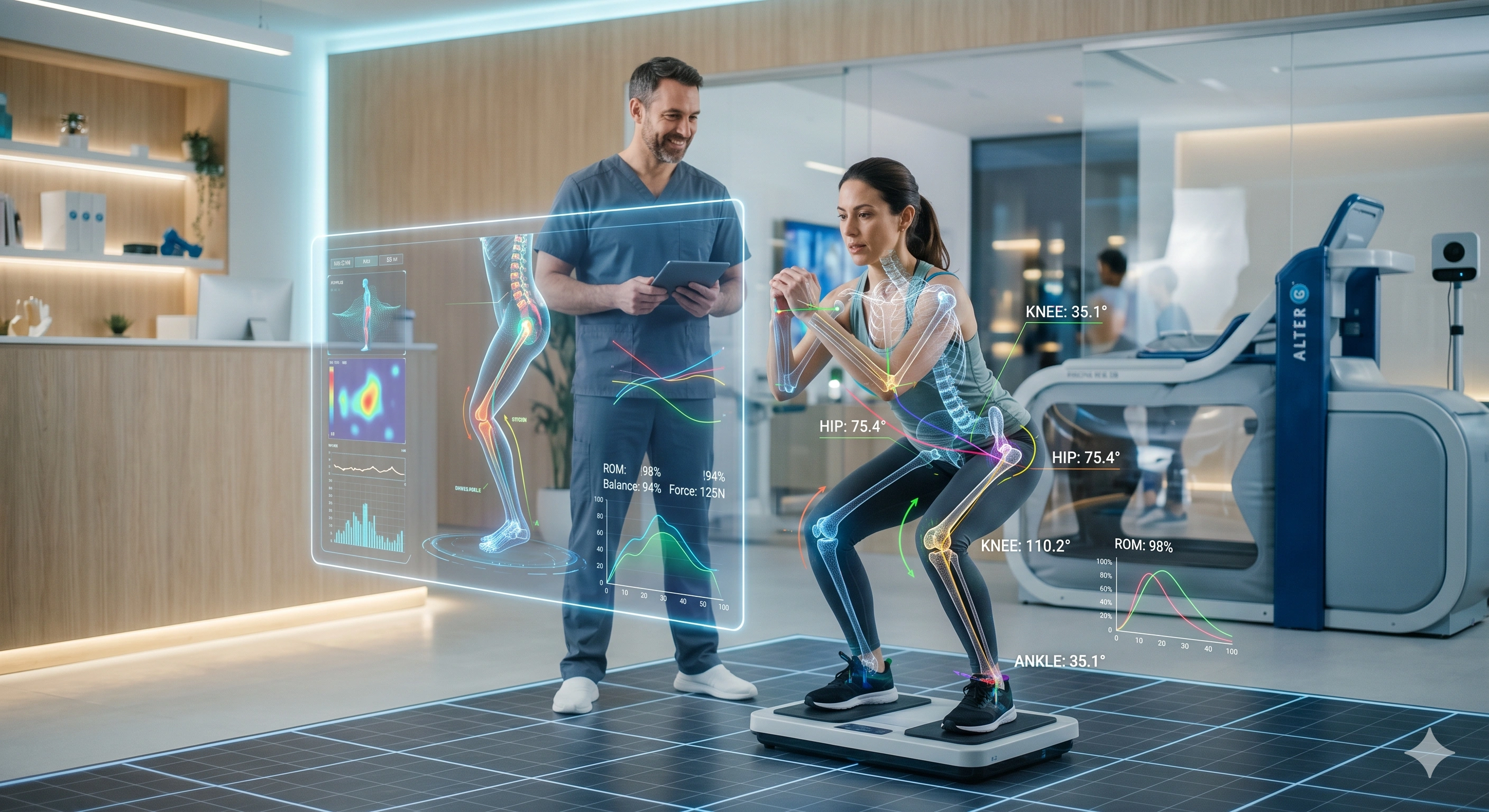
The field of physical therapy is undergoing a major transformation driven by artificial intelligence and advanced data analytics. Traditional Rehabilitation methods, which relied heavily on manual observation and subjective assessment are being replaced by more precise, objective and continuous digital monitoring systems. At the center of this shift is AI-Powered Data-Drive Rehabilitation a modern approach that integrates machine learning, motion tracking and real-time patient data to optimize recovery outcomes. Instead of relying solely on periodic clinic visits, clinicians can now access continuous performance insights that reflect how patients move, recover, and respond to treatment in real-world conditions.
This evolution is not just improving efficiency it is fundamentally changing how physical therapy is delivered, measured, and personalized.
What is AI-Powered Data-Driven Rehabilitation?
Definition and Core Concept
AI-Powered Data-Driven Rehabilitation refers to a clinical approach where rehabilitation programs are guided by data collected from patients during exercises, daily movement, and therapy sessions. This data is analyzed using artificial intelligence algorithms to improve treatment accuracy and personalization.
The system typically collects:
- Movement patterns during exercises
- Range of motion measurements
- Speed, balance, and coordination metrics
- Adherence to prescribed rehabilitation programs
These data points are then processed to provide actionable insights for clinicians and patients.
Why It Matters in Modern Healthcare
The importance of this approach lies in its ability to remove subjectivity from rehabilitation. Traditional assessments often depend on patient feedback and therapist observation, which can vary significantly.
AI-driven systems offer:
- Objective measurement of physical progress
- Continuous monitoring outside clinical environments
- Early detection of recovery delays or complications
This leads to more informed clinical decisions and improved long-term outcomes.
The Role of Artificial Intelligence in Physical Therapy
Motion Tracking and Computer Vision
One of the most impactful technologies in rehabilitation is computer vision. Using standard cameras or mobile devices, AI systems can analyze human movement without requiring wearable sensors.
This allows:
- Real-time posture correction during exercises
- Detection of incorrect movement patterns
- Automated evaluation of exercise quality
Such systems make remote rehabilitation more practical and scalable.
Predictive Analytics in Recovery
AI also enables predictive modeling in rehabilitation. By analyzing historical and real-time patient data, algorithms can estimate recovery timelines and identify potential risks.
This helps clinicians:
- Adjust therapy plans proactively
- Prevent re-injury or delayed recovery
- Optimize treatment intensity based on patient response
Predictive insights are especially valuable in long-term musculoskeletal conditions.
HEMSCap and Its Role in Data-Driven Rehabilitation
Overview of HEMSCap
HEMSCap is a health technology company focused on AI-powered rehabilitation solutions. It develops digital tools designed to support physical therapy through motion analysis, remote monitoring, and automated clinical documentation.
Its ecosystem is built around integrating artificial intelligence into everyday rehabilitation workflows.
PivotalPT Platform
One of the key solutions is PivotalPT, a digital rehabilitation platform that enables remote exercise monitoring.
Key features include:
- AI-based movement tracking during home exercises
- Real-time feedback on exercise performance
- Structured home exercise programs (HEP)
- Remote patient monitoring capabilities
This allows patients to receive clinical-grade guidance even outside the clinic environment, improving adherence and consistency.
GeniusPT and Documentation Automation
Another major component is GeniusPT, which focuses on reducing administrative workload for clinicians.
Key functions include:
- Automated generation of clinical notes (SOAP documentation)
- AI-assisted care plan creation
- Reduction of manual documentation time
This helps physical therapists spend more time on patient care rather than paperwork.
HildaCoach Digital Support System
HEMSCap also includes HildaCoach, an AI-powered virtual coaching system designed for patient engagement.
It provides:
- Personalized exercise recommendations
- Continuous progress tracking
- Behavioral feedback to improve compliance
Together, these tools represent a unified approach to AI-Powered Data-Driven Rehabilitation.
Key Benefits of AI-Powered Data-Driven Rehabilitation
Improved Clinical Outcomes
One of the most significant advantages is the improvement in treatment accuracy. With real-time data, therapists can adjust programs based on actual patient performance rather than assumptions.
This leads to:
- Faster recovery times
- More precise treatment adjustments
- Reduced risk of re-injury
Increased Patient Engagement
Patients often struggle with adherence to home exercise programs. AI-driven feedback systems increase motivation by providing immediate performance insights.
This results in:
- Higher compliance rates
- Better exercise quality at home
- Increased patient accountability
Reduced Healthcare Costs
By minimizing unnecessary clinic visits and improving recovery efficiency, data-driven rehabilitation can reduce overall treatment costs.
Benefits include:
- Fewer in-person appointments
- Lower long-term rehabilitation expenses
- More efficient use of clinical resources
Challenges and Limitations
Despite its advantages, AI-Powered Data-Driven Rehabilitation also faces several challenges.
Technology Adoption Barriers
Many clinicians require training to effectively use AI-based systems, which can slow adoption rates in traditional healthcare environments.
Data Privacy Concerns
Since these systems rely on continuous patient monitoring, protecting sensitive health data is a critical requirement.
Infrastructure Requirements
Reliable internet access and compatible devices are necessary for optimal performance, which may limit accessibility in some regions.
The Future of Digital Rehabilitation
The future of rehabilitation is expected to become increasingly digital, intelligent, and personalized.
Key trends include:
- Integration of wearable sensors with AI platforms
- Fully automated rehabilitation programs
- Expansion of remote therapeutic monitoring systems
- Greater use of predictive analytics in clinical decision-making
Ultimately, AI will not replace physical therapists but will enhance their ability to deliver more effective and individualized care.
Academic Reference: AI in Rehabilitation Research
These findings reinforce the growing shift toward AI-Powered Data-Driven Rehabilitation, where real-time analytics and machine learning models are increasingly used to personalize treatment strategies and improve outcomes in both in-clinic and remote rehabilitation settings.
Final Thoughts
AI-Powered Data-Driven Rehabilitation represents a major advancement in the field of physical therapy. By combining artificial intelligence, real-time motion tracking, and clinical data analytics, it enables more accurate, efficient, and personalized treatment strategies.
Platforms such as HEMSCap demonstrate how digital health technologies can bridge the gap between clinic-based care and home-based rehabilitation. As the healthcare industry continues to evolve, data-driven approaches will become essential for delivering scalable and high-quality rehabilitation services.
Additionally, the adoption of AI-Powered Data-Driven Rehabilitation is encouraging a more standardized approach to clinical decision-making across different healthcare settings. This helps reduce variability in treatment quality and ensures more consistent patient outcomes.
As digital health ecosystems continue to evolve, integration between rehabilitation platforms and electronic health records is expected to become more seamless. This will further enhance the continuity of care and clinical efficiency.
Another important development is the growing acceptance of remote rehabilitation models by both patients and healthcare providers, especially in musculoskeletal care. This shift is supported by increasing evidence of comparable outcomes between in-clinic and remote therapy when supported by AI tools.
Furthermore, ongoing improvements in machine learning algorithms are likely to make rehabilitation systems more adaptive, learning from larger and more diverse patient populations over time. This will strengthen the predictive accuracy of recovery models.
Overall, the continued evolution of AI-driven rehabilitation technologies is expected to play a central role in shaping the future of physical therapy practice worldwide.
FAQ
1. What is AI-Powered Data-Driven Rehabilitation?
It is a rehabilitation approach that uses artificial intelligence and patient data to guide physical therapy decisions and improve treatment outcomes.
2. How does AI improve physical therapy?
AI enhances physical therapy by analyzing movement patterns, providing real-time feedback, and predicting patient recovery progress.
3. What is HEMSCap used for?
HEMSCap is a health technology platform that provides AI-powered tools for remote rehabilitation, motion analysis, and clinical automation.
4. Is data-driven rehabilitation effective?
Yes, studies and clinical applications show that data-driven rehabilitation improves accuracy, patient adherence, and overall recovery outcomes.
5. Will AI replace physical therapists?
No, AI is designed to support physical therapists by improving decision-making and efficiency, not replacing clinical expertise.