•
2026/06/21•HEMSCap Content Writer
Health Coaching and Physical Therapy
Health Coaching and Physical Therapy: A New Era in Rehabilitation
Physical therapy has traditionally focused on restoring movement, reducing pain, and helping patients recover from injury or surgery through structured in-clinic sessions. However, one of the biggest challenges in rehabilitation is what happens after these sessions end. Many patients experience a decline in consistency once they transition to home-based exercise programs, which can negatively impact long-term recovery outcomes.
A recent article published by the American Physical Therapy Association (APTA) highlights an evolving solution to this issue: the integration of health coaching into physical therapy practice. This approach expands the role of physical therapists beyond hands-on treatment and introduces behavioral strategies that help patients stay engaged in their recovery journey.
The Challenge of Long-Term Adherence
While patients often show significant improvement during supervised therapy, maintaining that progress independently can be difficult. Factors such as low motivation, lack of accountability, and unclear goals frequently lead to reduced adherence to prescribed home exercise programs.
This “post-therapy gap” is particularly common in patients recovering from orthopedic injuries, chronic musculoskeletal conditions, or post-surgical rehabilitation. Without ongoing guidance, many patients struggle to maintain the routines necessary for full recovery.
How Health Coaching Enhances Physical Therapy
Health coaching introduces evidence-based behavioral change techniques into rehabilitation. Instead of focusing solely on physical recovery, therapists also support patients in developing long-term habits and self-management skills.
Key elements of this approach include:
- Personalized goal setting tailored to each patient’s lifestyle
- Motivational interviewing to improve engagement and confidence
- Continuous feedback and accountability systems
- Education that encourages self-management and independence
By addressing both physical and psychological aspects of recovery, health coaching helps bridge the gap between clinical treatment and everyday life.
Practical Applications in Clinical Settings
In modern rehabilitation practices, therapists are increasingly adopting coaching strategies to improve patient outcomes. For example, regular follow-ups, structured goal tracking, and behavior-focused communication are becoming standard components of care.
This shift allows physical therapists to build stronger relationships with patients while ensuring that treatment plans are not only completed during clinic visits but also successfully continued at home.
The Future of Rehabilitation
The integration of health coaching into physical therapy reflects a broader movement toward patient-centered and value-based care. As healthcare continues to evolve, success is no longer measured only by short-term recovery but by long-term health outcomes and sustained improvement.
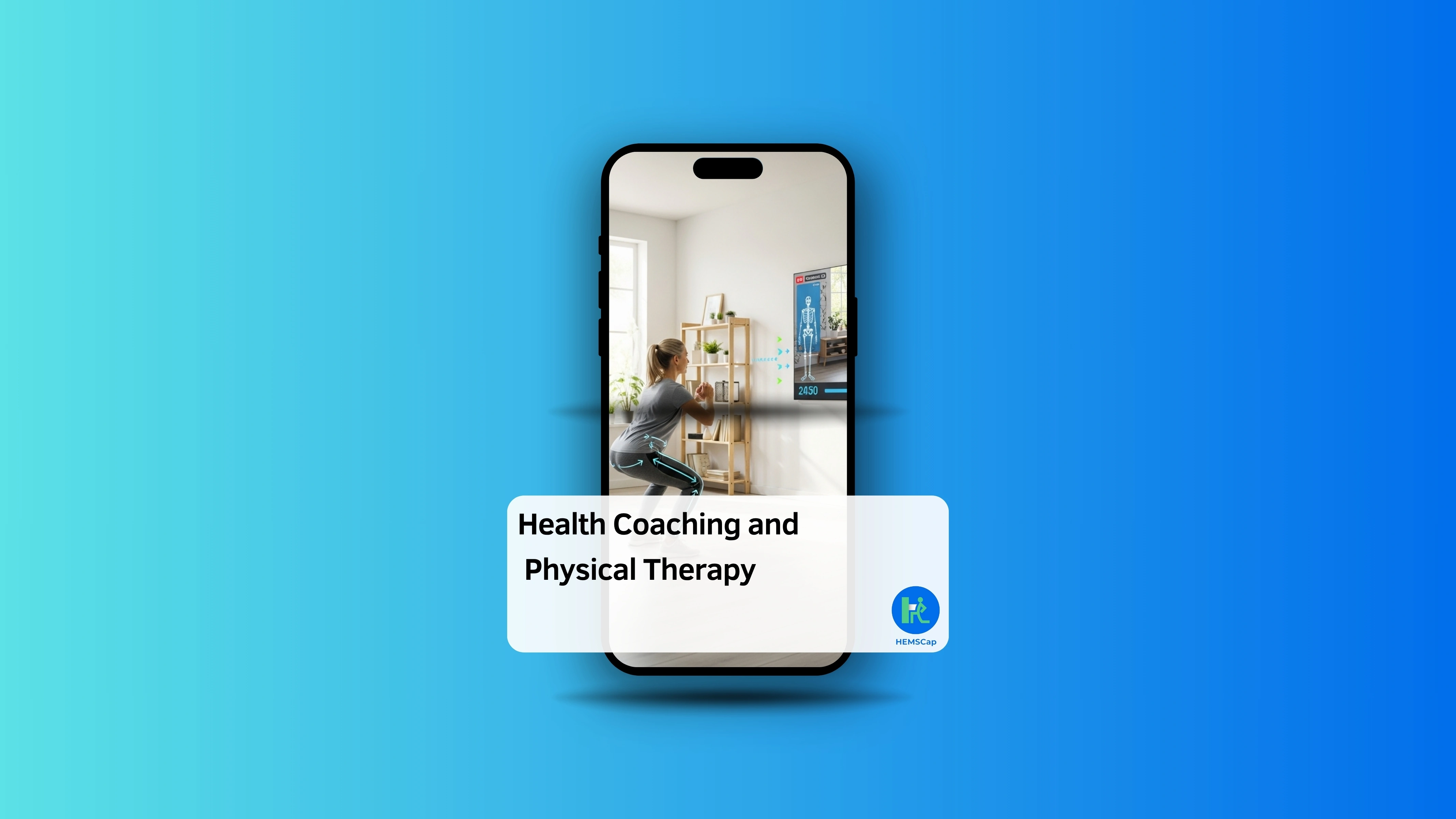
Digital health tools, remote monitoring systems, and AI-driven platforms are further supporting this transformation by enabling continuous engagement between patients and therapists outside the clinic environment.
Conclusion
Health coaching is not replacing traditional physical therapy; rather, it is enhancing it. By combining clinical expertise with behavioral science, therapists can better support patients in achieving lasting recovery and maintaining long-term health.
This integrated approach represents the future of rehabilitation—one that is more personalized, more continuous, and ultimately more effective.