•
2026/06/18•HEMSCap Content Writer
4 Ways Seniors Can Stay Healthy, Active, and Engaged in Physical Therapy This Winter
Introduction
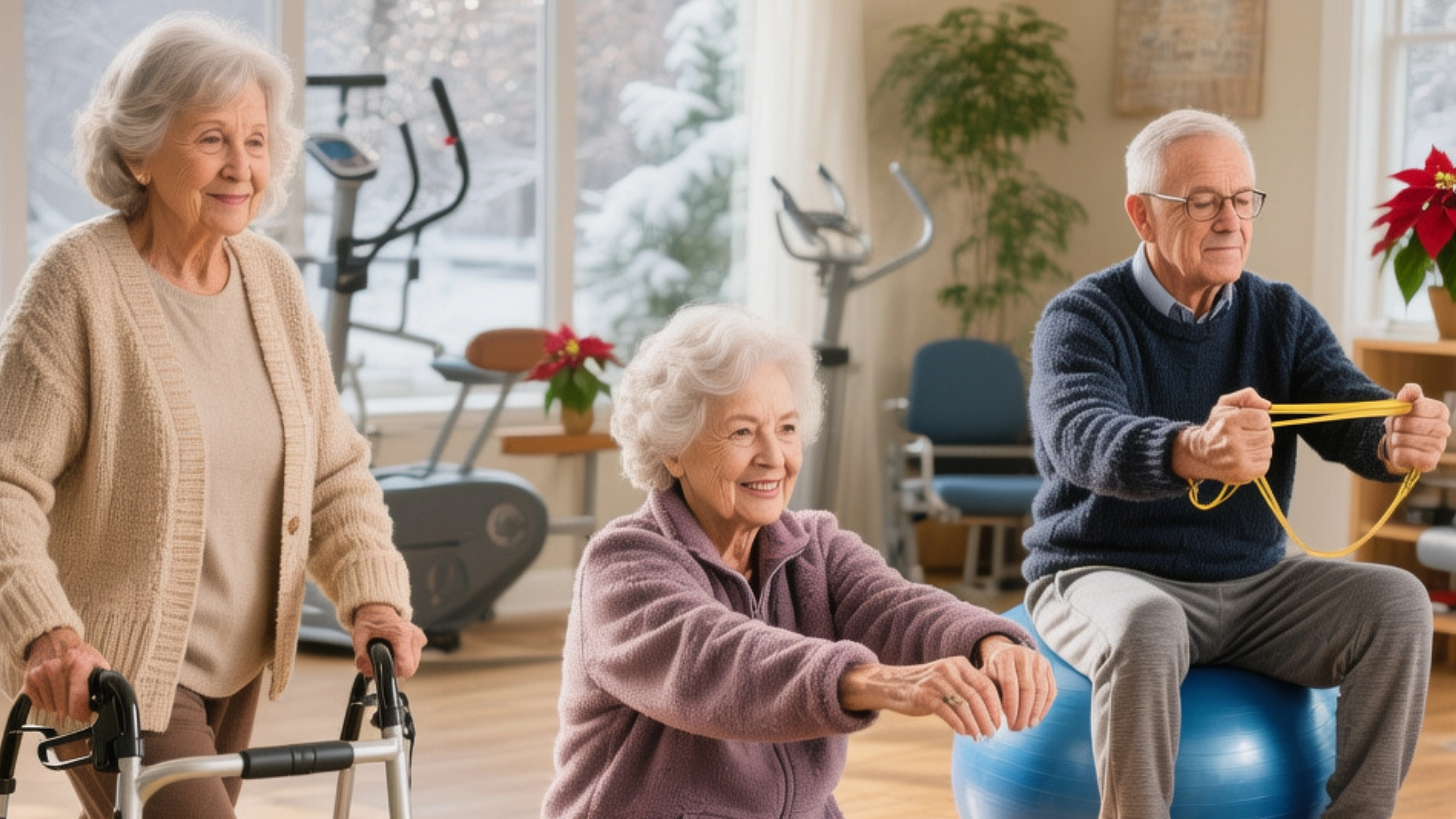
Winter can be a challenging season for seniors. Cold weather, shorter days, and icy conditions often discourage outdoor activity, which can lead to stiffness, reduced mobility, and even feelings of isolation. However, staying active and engaged in senior physical therapy is crucial during the colder months to maintain strength, flexibility, and overall well-being.
This article explores four practical ways seniors can stay healthy, active, and fully participate in physical therapy this winter. By incorporating safe exercises, indoor activities, social engagement, and mindful habits, older adults can protect their health, improve mobility, and enhance quality of life—even in the coldest months.
In addition, seasonal factors such as reduced daylight exposure during winter months can negatively affect mood and energy levels in older adults, potentially decreasing their willingness to stay physically active. Research in geriatric rehabilitation shows that inactivity during colder seasons can accelerate muscle deconditioning and joint stiffness, especially in individuals with pre-existing mobility limitations. For this reason, maintaining a structured physical therapy routine becomes even more important during winter compared to other seasons. Clinicians also emphasize the role of consistent movement in preserving cardiovascular health and preventing functional decline in seniors. Moreover, indoor rehabilitation strategies allow patients to continue therapy safely without exposure to environmental hazards such as ice or extreme cold. Studies further indicate that even low-intensity, regularly performed exercises can significantly improve balance and reduce fall risk in elderly populations. Therefore, adapting physical therapy programs to seasonal challenges is essential for maintaining long-term health outcomes in seniors.
1. Embrace Indoor Physical Therapy Exercises
Cold and slippery conditions often make outdoor exercise risky for seniors. The best solution is to focus on indoor physical therapy exercises that are both safe and effective.
Low-Impact Strength Training
- Use light weights or resistance bands to maintain muscle mass without stressing joints.
- Perform controlled movements to improve balance, coordination, and core stability.
Gentle Stretching Routines
- Daily stretching helps reduce stiffness and improves flexibility.
- Yoga or chair-based exercises are excellent low-risk options for seniors.
Tip: Senior physical therapy professionals often recommend 15–30 minute sessions, 3–5 times per week for optimal winter results.
2. Stay Socially Engaged Through Physical Therapy Programs
Social interaction plays a key role in maintaining motivation and mental health during rehabilitation.
Group Therapy Classes
- Encourage participation in supervised indoor group sessions.
- Improves consistency and motivation through peer support.
Virtual Physical Therapy Sessions
- Telehealth allows seniors to continue therapy from home.
- Digital platforms provide guided feedback and progress tracking.
Pro Tip: Seniors should choose virtual or group programs based on their physical condition and safety needs.
3. Maintain a Safe and Supportive Home Environment
Home safety is essential for preventing injuries and ensuring consistent participation in exercise routines.
Remove Obstacles and Improve Lighting
- Keep walking areas free from clutter and loose rugs.
- Improve lighting in hallways and stairs to reduce fall risk.
Use Supportive Equipment
- Install grab bars in bathrooms and key movement areas.
- Use non-slip mats for safer exercise practice.
4. Adopt a Holistic Approach to Winter Health
Physical therapy outcomes improve significantly when combined with healthy lifestyle habits.
Nutrition and Hydration
- Focus on protein-rich and vitamin-rich foods for muscle and immune support.
- Maintain hydration even in colder months.
Mental Wellness
- Engage in cognitive activities like reading, puzzles, and games.
- Practice mindfulness and stress reduction techniques.
Sleep and Recovery
- Aim for 7–9 hours of quality sleep per night.
- Include rest days in therapy schedules to avoid fatigue.
Supporting Evidence from Research (Google Scholar Findings)
Recent research published in peer-reviewed rehabilitation and geriatric care literature highlights the importance of adherence to exercise therapy among older adults, particularly for fall prevention and mobility maintenance. The study emphasizes that one of the main challenges in senior physical therapy is maintaining consistent participation in home-based exercise programs. It finds that adherence significantly improves when therapy is supported by structured education, social encouragement, and simplified exercise routines tailored to individual capabilities. Additionally, the research suggests that integrating remote monitoring and tele-rehabilitation tools can enhance motivation, improve consistency, and provide real-time feedback from therapists. Overall, the findings confirm that improving exercise adherence not only reduces fall risk and enhances physical function but also contributes positively to seniors’ independence and quality of life.
The study also highlights that behavioral strategies such as goal setting and regular feedback from therapists can significantly enhance long-term adherence to exercise programs. It emphasizes that structured follow-up and monitoring play a key role in maintaining patient engagement over time. Furthermore, the research indicates that combining exercise therapy with educational interventions improves patients’ understanding of fall risks and prevention strategies. Overall, the findings support a multidisciplinary approach to senior rehabilitation that integrates physical, educational, and motivational components for better clinical outcomes.
Benefits of Winter Physical Therapy for Seniors
Engaging in senior physical therapy during winter provides multiple benefits:
- Improved mobility and flexibility
- Enhanced strength and balance
- Better mental health and reduced isolation
- Improved cardiovascular and musculoskeletal health
- Greater independence and quality of life
Final Thoughts
Winter does not have to be a season of inactivity or isolation for seniors. By embracing indoor exercises, participating in group or virtual sessions, maintaining a safe home environment, and adopting a holistic approach to health, older adults can continue to benefit from physical therapy even in colder months.
Key Takeaways:
- Safe indoor exercises maintain strength and flexibility
- Social engagement improves motivation and consistency
- Home safety reduces fall risk
- Holistic habits enhance overall therapy outcomes
It is also important to recognize that long-term success in senior physical therapy depends on consistency rather than intensity. Even small, regular efforts can lead to meaningful improvements in mobility and functional independence over time. Healthcare providers increasingly recommend individualized programs that adapt to each senior’s physical condition, comorbidities, and lifestyle limitations. Caregiver involvement can further enhance adherence by providing encouragement and assisting with safe exercise practice at home. Additionally, ongoing communication between patients and therapists helps identify barriers early and adjust treatment plans accordingly. Evidence suggests that combining physical activity with psychosocial support produces better rehabilitation outcomes in older adults. Ultimately, sustainable engagement in physical therapy should be viewed as an ongoing lifestyle commitment rather than a short-term intervention.
FAQ
Q1: How often should seniors engage in physical therapy during winter?
3–5 sessions per week, depending on health status and therapist recommendations.
Q2: Are virtual physical therapy sessions effective?
Yes, when properly guided, telehealth sessions are highly effective and safe.
Q3: Can seniors with limited mobility participate?
Yes, chair exercises and low-impact routines are highly adaptable.
Q4: What safety precautions are needed at home?
Clear walkways, good lighting, grab bars, and non-slip surfaces.
Q5: How does nutrition support physical therapy?
Proper nutrition supports muscle recovery, energy levels, and immune health.