•
2026/04/21•HEMSCap Content Writer
Smart exercise in Physical Therapy : Transforming Rehabilitation with Digital Innovation
Introduction
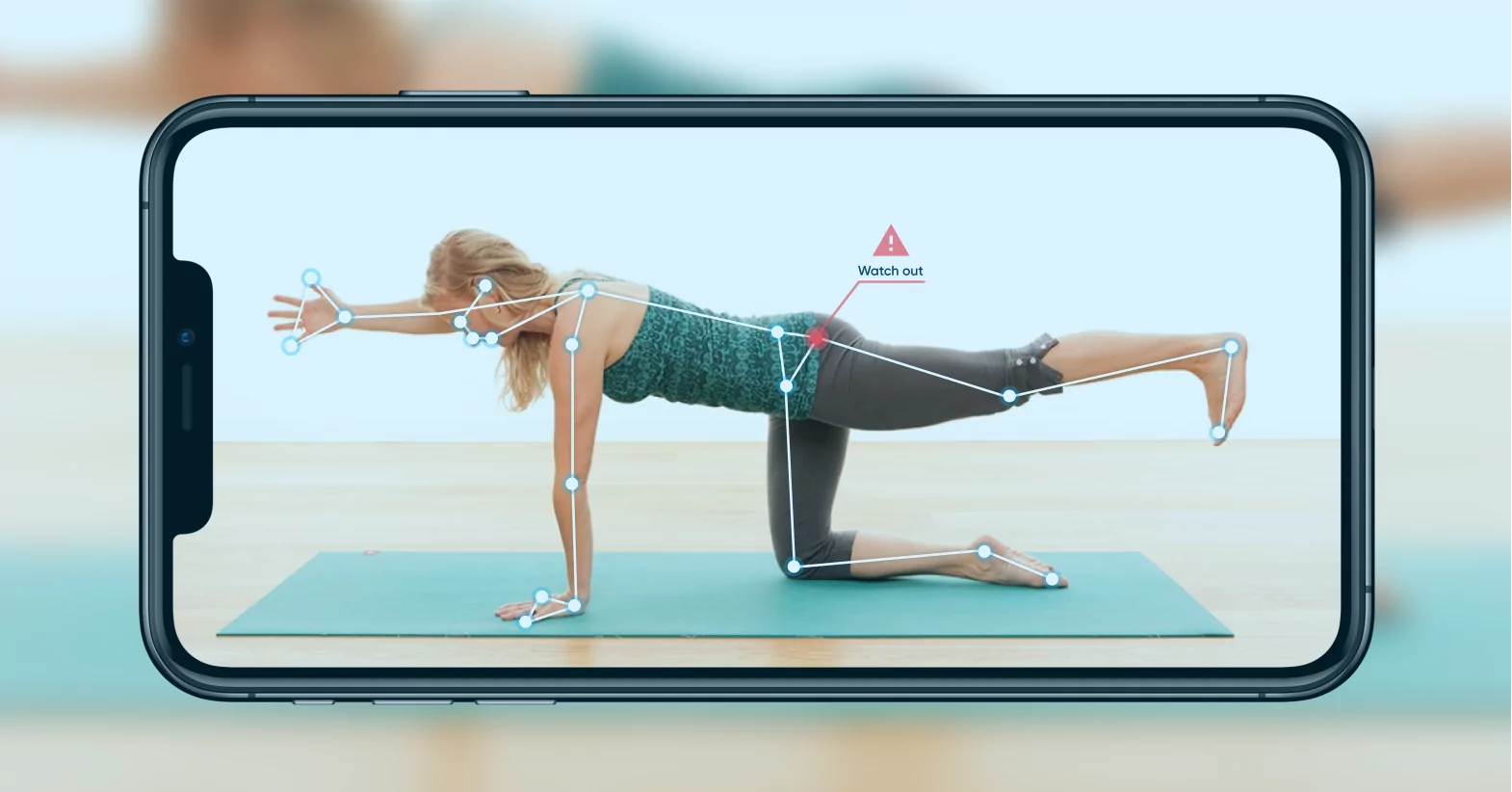
Digital technologies are rapidly transforming the healthcare landscape, revolutionizing traditional methods of physical therapy. Smart exercise in physical therapy is one of the most significant innovations, combining artificial intelligence, remote monitoring and motion data analysis to enhance rehabilitation. These exercises help patients perform movements accurately while providing therapists with actionable insights to optimize treatment plans. With advanced platforms like HEMSCap, smart exercises are no longer confined to clinics. Patients can follow personalized rehabilitation programs at home or any location, maintaining progress and adherence under professional guidance.
Digital tools in physical therapy not only enhance the precision of exercises but also provide therapists with quantitative insights into patient performace, enabling data-driven decisions. Recent studies show that incorporating technology-driven exercises increases patient adherence and accelerates functional recovery. Platforms like HEMSCap allow for remote monitoring, making rehabilitation accessible to patients who face geographical or mobility limitations. Furthermore, the integration of AI helps identify subtle movement errors that may be overlooked during traditional sessions. As the field evolves, smart exercise solutions are becoming a standard component of modern rehabilitation programs, bridging the gap between clinical supervision and home-based therapy.
What Is Smart Exercise and Why It Matters
Smart Exercise refers to exercises controlled, monitored, and optimized through digital technologies and AI. These programs allow patients to execute movements precisely while receiving immediate feedback, increasing both efficiency and safety.
Key Benefits of Smart Exercise in Physical Therapy
- Improved Accuracy of Movements
Smart exercises help patients execute movements correctly, reducing the risk of injuries and maximizing therapeutic benefit.
- Enhanced Patient Engagement
Immediate feedback and progress reports motivate patients, increasing adherence to rehabilitation programs and overall commitment to recovery.
- Reduced Clinician Workload
AI-driven platforms like HEMSCap automate monitoring and documentation, freeing therapists’ time for more critical patient-focused tasks.
The Role of HEMSCap in Smart Exercise
HEMSCap is one of the leading digital physical therapy platforms, combining AI, remote monitoring, and motion analysis to deliver a fully personalized rehabilitation experience for both patients and therapists.
Key Features of HEMSCap
- PivotalPT
The core tool for accurately tracking patient movements and providing real-time feedback to improve exercise performance.
- HildaCoach
An AI-powered digital coach that offers personalized exercise programs and ensures correct home-based rehabilitation.
- GeniusPT
An intelligent documentation system that automatically generates assessment reports, plans of care, and progress notes.
With HEMSCap, Smart Exercise in Physical Therapy is fully accessible remotely, allowing patients to continue rehabilitation under professional oversight from any location.
How Smart Exercise Optimizes Treatment Plans
Smart exercises utilize real-time data and AI algorithms to tailor rehabilitation programs for each patient’s specific needs.
Motion Data Analysis
- Tracking Patient Progress
Systems collect precise motion data to quantify improvements and monitor recovery effectively.
- Immediate Movement Correction
Incorrect movements are detected in real-time, and patients receive instant feedback to correct form, ensuring safety and effectiveness.
Personalized Exercise Programming
- Adapting to Individual Ability
Exercise programs automatically adjust to the patient’s physical abilities and limitations, promoting optimal results.
- Maximizing Treatment Effectiveness
Consistent, accurate movements combined with ongoing monitoring enhance recovery speed and long-term outcomes.
Clinical Advantages of Smart Exercise
Cost and Time Efficiency
- Reduced In-Person Visits
Patients can complete part of their rehabilitation at home without compromising treatment quality.
- Lower Therapist Workload
Automation and digital monitoring reduce the need for continuous in-clinic supervision, lowering operational costs.
Improved Patient Satisfaction
- Personalized Experience
Real-time feedback and progress tracking make patients feel their rehabilitation plan is tailored to them.
- Higher Commitment to Therapy
Seeing measurable results encourages patients to remain consistent with prescribed exercises, enhancing outcomes.
Smart Exercise and Scientific Research
Scientific studies demonstrate that incorporating smart exercises into rehabilitation improves patient outcomes and engagement significantly.
Real Academic Reference
A study in Frontiers in Digital Health highlights the impact of AI-driven personalized rehabilitation programs on improving treatment effectiveness:
AI presents exciting opportunities to revolutionize personalized rehabilitation by enhancing care delivery and improving efficiency. Current applications range from the generation of treatment plans to the real-time adaptation of therapy sessions, through ongoing management and support.
AI can process vast amounts of patient-specific data, enabling the creation of highly personalized rehabilitation programs that optimize recovery outcomes. By automating routine tasks, AI further reduces human error and the workload on healthcare providers, allowing them to dedicate more time to engaging with patients on a more personal level. As AI continues to evolve, new, reliable, and accessible tools will be available, creating new opportunities to design cutting-edge solutions by collaborating with industries
Practical Tips for Using Smart Exercise
- Select the Right Platform
Use advanced tools like HEMSCap that provide accurate motion tracking and immediate feedback for optimal results.
- Start with a Comprehensive Assessment
Before starting exercises, conduct a thorough evaluation of patient mobility and limitations to ensure proper personalization.
- Maintain Regular Monitoring
Therapists should review patient progress weekly and adjust programs as needed to maintain optimal rehabilitation outcomes.
Final Thoughts
Smart Exercise in Physical Therapy represents a major shift in rehabilitation practices. By combining AI, motion tracking, and digital platforms like HEMSCap, patients can perform exercises more accurately, while therapists save time and deliver personalized care. This approach not only improves treatment effectiveness but also enhances patient experience and enables remote rehabilitation, making therapy more accessible and efficient than ever.
In addition, integrating smart exercise into routine physical therapy enhances patient safety by continuously monitoring form and reducing the risk of injury. Data collected through AI-powered platforms like HEMSCap enables therapists to make evidence-based adjustments to rehabilitation plans, improving overall treatment effectiveness. Remote monitoring capabilities ensure that patients with limited mobility or those living in rural areas can maintain consistent engagement with their therapy. Furthermore, smart exercise promotes long-term adherence, as patients receive immediate feedback and can track measurable progress over time. Healthcare providers benefit from reduced administrative burden and improved workflow efficiency, allowing them to focus on clinical decision-making and patient interaction. As more real-world data accumulates, AI-driven systems will continue to refine treatment protocols, creating opportunities for personalized, outcome-focused rehabilitation. Ultimately, the adoption of smart exercise in physical therapy represents a paradigm shift in delivering modern, accessible, and high-quality care to patients worldwide.
FAQ – Frequently Asked Questions
1. What is Smart Exercise in Physical Therapy?
Smart Exercise is a form of physical therapy that uses digital technology and AI to monitor and provide feedback on patient movements, ensuring precise and effective rehabilitation.
2. Can Smart Exercise replace in-person therapy sessions?
Many exercises can be performed remotely at home, but initial assessments and occasional in-person sessions remain essential for accurate planning and evaluation.
3. How does HEMSCap support Smart Exercise?
HEMSCap provides real-time motion tracking, immediate feedback, and automated documentation, offering a complete digital rehabilitation experience.
4. Is Smart Exercise suitable for all patients?
Most patients can benefit, but exercises must be tailored to individual abilities, limitations, and medical conditions for safe and effective rehabilitation.
5. How is progress measured in Smart Exercise?
Motion tracking systems record patient movements and generate quantitative reports, allowing therapists to adjust programs and monitor improvement over time.