•
2026/04/15•HEMSCap Content Writer
How Patient Progress Reports Improve Outcomes in Digital Physical Therapy
Introduction
Accurate documentation is a cornerstone of modern healthcare. Clinicians rely on structured information about a patient's condition to guide treatment decisions, monitor recovery, and evaluate outcomes. Among the most important tools used for this purpose is the Patient Progress Report.
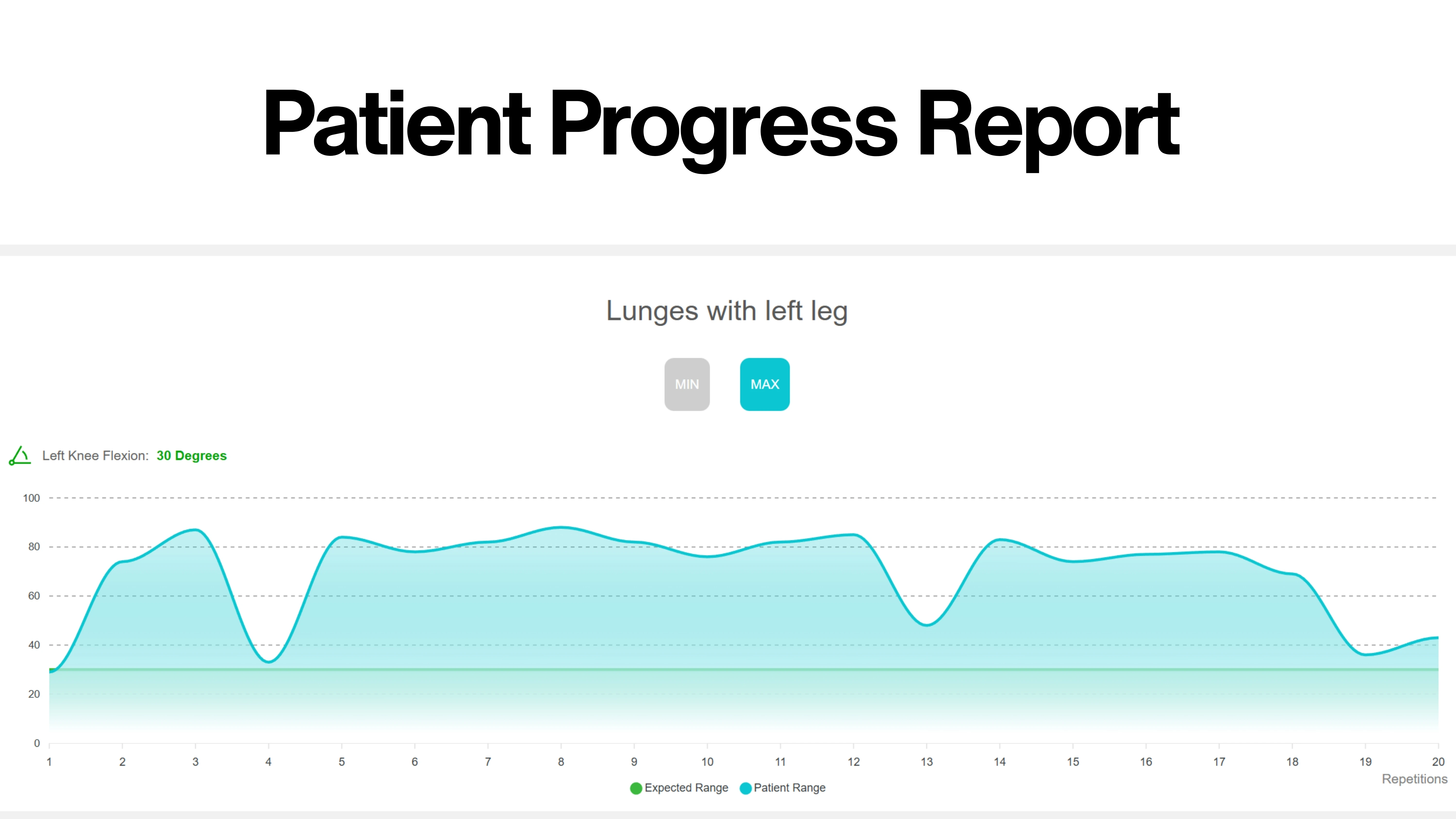
A Patient Progress Report provides a structured record of how a patient’s condition changes during the course of treatment. It allows healthcare professionals to track improvements, evaluate the effectiveness of interventions, and adjust care plans when necessary.
In physical therapy, these reports are especially critical because many treatment outcomes are based on measurable changes in function, strength, mobility, and pain levels. Monitoring these variables over time helps therapists determine whether the treatment strategy is working or needs modification.
With the rise of digital health technologies, new platforms are transforming how Patient Progress Reports are created and analyzed. Solutions developed by companies such as HEMSCap aim to simplify clinical documentation and support better monitoring of patient recovery through advanced software and data analysis tools.
Understanding the structure and importance of Patient Progress Reports can help healthcare providers improve both treatment efficiency and patient outcomes.
What Is a Patient Progress Report?
A Patient Progress Report is a clinical document used to record and evaluate changes in a patient's health status throughout a treatment program. It typically includes objective data, clinical observations, and measurable outcomes that reflect the patient's progress.
These reports serve multiple purposes in healthcare settings. They allow clinicians to assess whether a treatment plan is effective, provide documentation for medical records, and facilitate communication among members of a healthcare team.
In physical therapy practices, Patient Progress Reports are usually generated at regular intervals such as weekly, bi-weekly, or monthly to track functional improvement and monitor response to therapy.
By maintaining consistent documentation, therapists can identify patterns in recovery and make evidence-based adjustments to treatment plans.
Why Patient Progress Reports Matter in Physical Therapy
Tracking Functional Improvement
Physical therapy focuses on restoring movement, improving strength, and enhancing functional ability. These changes often occur gradually and require consistent monitoring.
A Patient Progress Report allows therapists to measure improvements in areas such as mobility, flexibility, and pain levels. This data helps determine whether therapeutic exercises and interventions are producing meaningful results.
Supporting Clinical Decision-Making
Therapists must frequently adjust treatment plans based on a patient’s response to therapy. Reliable documentation helps guide these decisions.
When progress reports provide clear data on functional outcomes, clinicians can determine whether to continue, modify, or replace specific therapeutic interventions.
Enhancing Patient Engagement
Patient motivation is a critical factor in successful rehabilitation. When patients can see documented evidence of improvement, they are often more committed to completing their exercise programs.
Progress reports also help patients understand the goals of treatment and how their efforts contribute to recovery.
Key Components of an Effective Patient Progress Report
A well-structured Patient Progress Report contains several essential elements that ensure accurate documentation and meaningful evaluation of treatment outcomes.
Clinical Assessment
- A clinical assessment includes baseline measurements such as pain level, range of motion, strength, and physical limitations.
- These measurements establish a reference point that allows therapists to compare future progress and evaluate improvement.
- Standardized assessment tools are often used to ensure consistency and reliability.
- Using validated evaluation methods helps maintain accuracy in patient records and supports clinical decision-making.
Treatment Plan
- The treatment plan outlines the therapeutic strategies and exercises designed for the patient’s condition.
- It explains the goals of therapy and the specific interventions used to achieve those goals.
- Documenting the treatment plan in the report ensures transparency in patient care.
- It also provides a clear record that can be reviewed and adjusted as the patient progresses through therapy.
Progress Indicators
- Progress indicators include measurable metrics such as improved range of motion, reduced pain, or increased muscle strength.
- These indicators allow therapists to objectively determine whether treatment goals are being met.
- Tracking consistent metrics across multiple reports enables clinicians to analyze trends over time.
- This approach helps identify both improvements and potential setbacks in the rehabilitation process.
Functional Outcomes
- Functional outcomes focus on how well a patient can perform daily activities.
- Examples include walking, climbing stairs, lifting objects, or returning to work tasks.
- Evaluating functional ability provides a realistic picture of recovery.
- Improvements in daily activities often represent the most meaningful outcomes for patients.
Therapist Observations
- Therapist observations include professional insights about the patient’s movement patterns, exercise performance, and overall response to therapy.
- These qualitative notes complement objective data and add valuable context to the report.
- Documenting observations helps guide future treatment sessions.
- It also provides useful information when multiple healthcare professionals are involved in the patient’s care.
The Role of Digital Platforms in Patient Reporting
Healthcare documentation has evolved significantly with the adoption of digital health technologies. Many clinics now rely on specialized software systems to manage patient records and track treatment outcomes.
Digital tools streamline the process of creating Patient Progress Reports by allowing therapists to record assessments, treatment details, and progress metrics within a centralized platform.
Companies such as HEMSCap are developing digital solutions designed to support rehabilitation professionals. Their platforms focus on improving the efficiency of clinical documentation while enabling better monitoring of patient progress.
Digital reporting systems also reduce administrative workload, allowing therapists to spend more time focusing on patient care rather than manual documentation.
How Artificial Intelligence Is Transforming Patient Progress Reports
Artificial intelligence is becoming an increasingly important component of healthcare technology. In clinical documentation, AI tools can assist in analyzing patient data and identifying patterns in recovery.
AI-powered systems may help clinicians organize information more efficiently and highlight significant changes in patient progress. By processing large amounts of clinical data, these tools can support more informed decision-making.
In rehabilitation settings, AI technologies may also assist in monitoring exercise performance and generating insights that contribute to more detailed Patient Progress Reports.
As digital healthcare platforms continue to evolve, AI is expected to play a growing role in simplifying documentation and improving the accuracy of patient reporting.
Best Practices for Creating Accurate Patient Progress Reports
Use Standardized Measurement Tools
- Using validated assessment tools ensures consistency across patient evaluations.
- Standardized metrics make it easier to compare outcomes and evaluate treatment effectiveness.
- Reliable measurement methods also support evidence-based clinical practice.
- They help ensure that reported outcomes reflect genuine improvements in patient health.
Maintain Consistent Documentation
- Progress reports should be created at regular intervals throughout the treatment process.
- Consistent reporting provides a continuous record of the patient’s recovery journey.
- Regular documentation helps identify changes early and allows therapists to adjust treatment strategies when necessary.
Focus on Functional Recovery
- Functional recovery reflects the patient’s ability to perform everyday activities.
- Emphasizing these outcomes ensures that therapy focuses on meaningful improvements in quality of life.
- Measuring functional results also helps clinicians evaluate whether therapy goals are aligned with patient needs and expectations.
Research Evidence Supporting Patient Progress Reporting
Research highlights the importance of structured clinical documentation in improving healthcare outcomes. Studies in rehabilitation science suggest that systematic reporting can enhance clinical decision-making and improve patient care.
For example, research published in the Journal of Rehabilitation Medicine emphasizes that standardized outcome measures improve the reliability of rehabilitation assessments and support more consistent evaluation of patient progress.
Relevant research can be explored through this Google Scholar reference:
These findings demonstrate that consistent documentation of patient progress contributes to better treatment planning and more accurate evaluation of rehabilitation outcomes.
Final Thoughts
The Patient Progress Report is a vital tool in modern healthcare documentation, particularly in physical therapy where treatment outcomes depend on gradual functional improvement. By systematically tracking changes in mobility, strength, and daily activity performance, therapists can evaluate the effectiveness of rehabilitation programs and adapt treatment strategies accordingly.
As healthcare systems increasingly adopt digital technologies, software platforms and data analysis tools are enhancing the way Patient Progress Reports are created and managed. Solutions such as those developed by HEMSCap demonstrate how digital innovation can support better monitoring of patient recovery and more efficient clinical documentation.
Ultimately, effective patient reporting improves communication among healthcare professionals, supports evidence-based treatment decisions, and helps patients stay engaged in their recovery process. As digital health technologies continue to evolve, Patient Progress Reports will remain a critical component of high-quality rehabilitation care.
FAQ
1.What is a Patient Progress Report?
A Patient Progress Report is a clinical document that records changes in a patient’s condition during treatment. It helps healthcare professionals evaluate recovery and determine whether therapy is effective.
2.Why are Patient Progress Reports important in physical therapy?
Physical therapy treatments often produce gradual improvements in mobility and strength. Progress reports allow therapists to monitor these changes and adjust treatment plans when necessary.
3.What information should be included in a Patient Progress Report?
Typical reports include clinical assessments, treatment plans, measurable progress indicators, functional outcomes, and therapist observations. These elements provide a comprehensive view of patient recovery.
4.Can digital platforms improve Patient Progress Reports?
Yes. Digital healthcare platforms streamline documentation, improve data organization, and make it easier for clinicians to analyze patient progress over time.
5.How does artificial intelligence support Patient Progress Reports?
Artificial intelligence can assist in analyzing patient data, identifying recovery patterns, and organizing clinical documentation. These capabilities help healthcare providers generate more accurate and useful progress reports.