•
2026/03/29•HEMSCap Content Writer
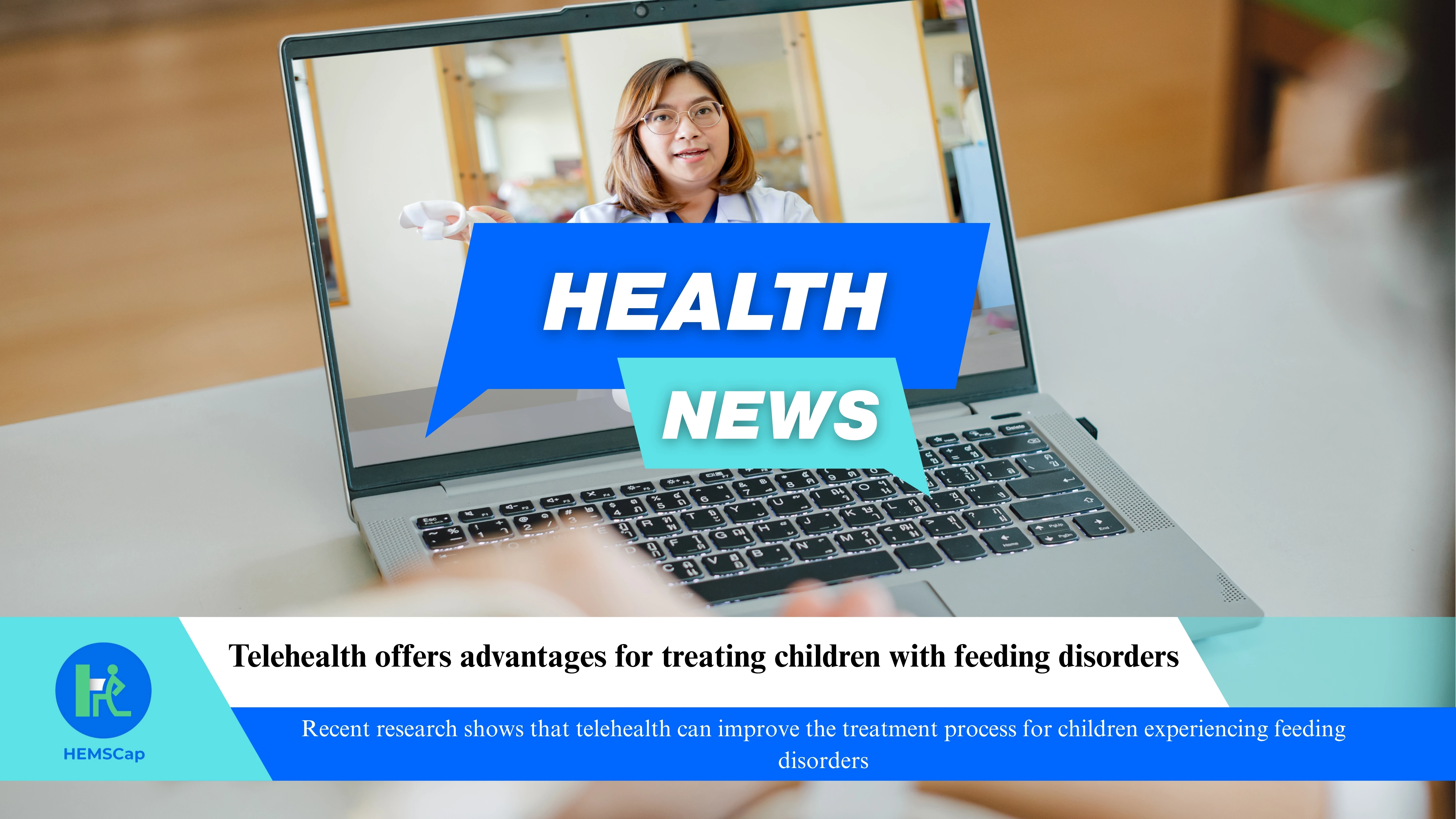
Telehealth offers advantages for treating children with feeding disorders
Feeding disorders are a common challenge in childhood, affecting both a child’s health and family life. Traditional clinic-based therapies often face obstacles such as travel, stress, and limited parental involvement. Telehealth, however, is proving to be an effective alternative that addresses these challenges.
By enabling therapy sessions in the child’s natural home environment, telehealth allows specialists to observe real mealtime behaviors. Children often feel more comfortable at home, which can improve cooperation and engagement during therapy. Parents also take a more active role in guiding and supporting their children, ensuring that strategies taught during sessions are applied consistently.
Telehealth increases access to specialized care, particularly for families living far from clinics or in areas with limited pediatric feeding specialists. It also reduces the need for frequent in-person visits, saving time and minimizing disruption to daily routines. Studies indicate that telehealth can deliver outcomes comparable to in-person sessions while enhancing convenience for families.
HEMSCap provides advanced digital health solutions to support remote monitoring and management of therapy programs. By integrating telehealth into pediatric feeding therapy, HEMSCap helps improve access to care, engage parents and patients in treatment, and ultimately support better outcomes for children.