•
2026/03/09•HEMSCap Content Writer
Smart Rehab Technology: Transforming Patient Care in Physical Therapy
Introduction
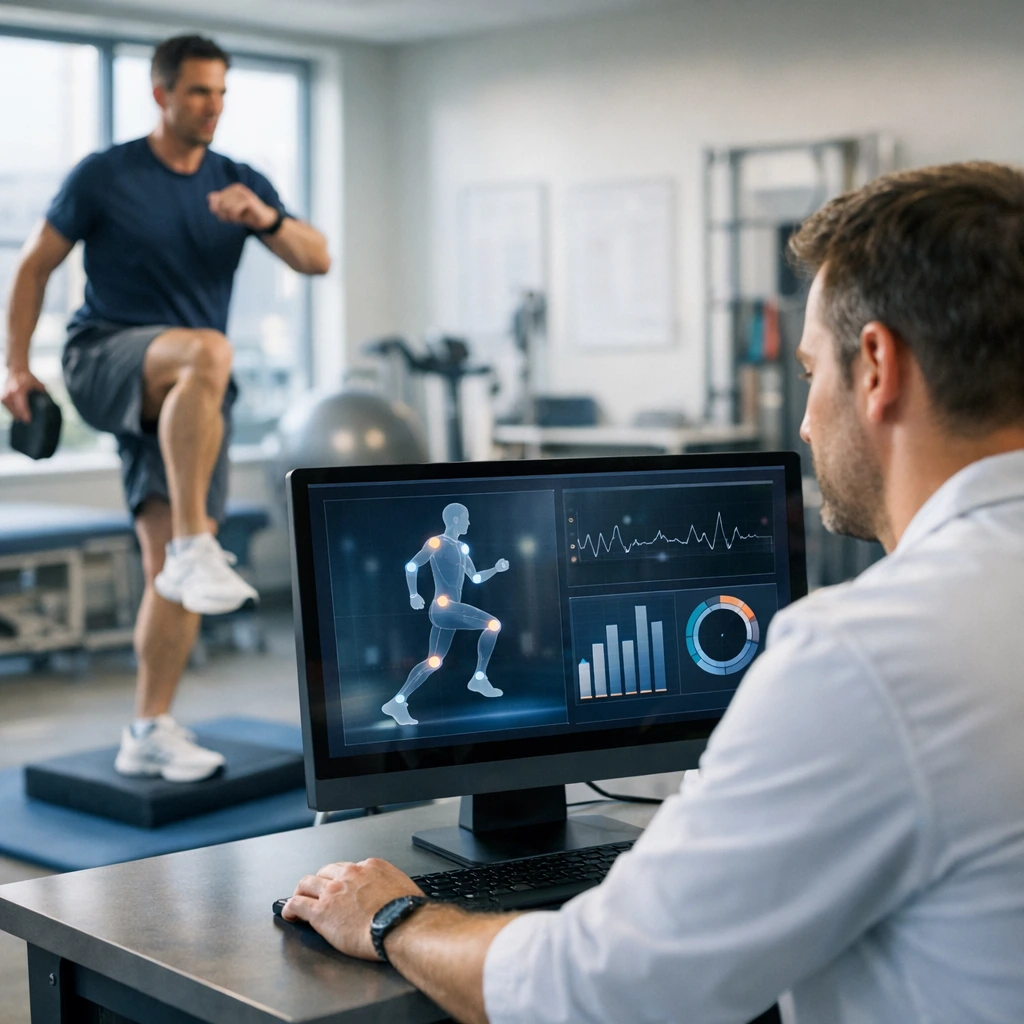
In today’s healthcare landscape, technology plays a pivotal role in improving patient outcomes. One of the most innovative advancements is Smart Rehab Technology, which integrates digital tools, artificial intelligence, and motion sensors to revolutionize patient rehabilitation. This technology enables specialized exercises, monitors patient progress, and provides real-time feedback. Companies like HEMScap are at the forefront, offering AI-powered solutions that elevate the physical therapy experience for both patients and therapists.
Smart Rehab Technology integrates advanced sensors, mobile applications, and AI algorithms to provide objective measurements of patient performance, allowing therapists to tailor rehabilitation programs more precisely. Unlike traditional therapy, which relies heavily on manual observation, these systems offer quantitative insights that improve both safety and effectiveness. The technology is particularly valuable in managing complex conditions, such as post-operative recovery, neurological disorders, and chronic musculoskeletal issues. Additionally, it supports remote rehabilitation, enabling patients to continue their therapy at home while receiving guidance and monitoring from professionals. As healthcare increasingly embraces digital solutions, Smart Rehab Technology is becoming a critical tool for improving patient outcomes and operational efficiency in physical therapy clinics.
What is Smart Rehab Technology?
Definition and Importance
Smart Rehab Technology refers to a set of digital tools and systems designed to help patients perform rehabilitation exercises accurately while tracking their progress. By using Smart Rehab Technology, treatment accuracy improves, human error is reduced, and patient outcomes are enhanced.
- Real-Time Monitoring: Sensors and software track patient movements and provide immediate feedback. This ensures exercises are performed correctly and effectively.
- Data-Driven Insights: Collected movement data allows physical therapists to adjust therapy programs based on objective patient performance.
Benefits of Smart Rehab Technology
Increased Treatment Accuracy
Smart Rehab Technology reduces human error and ensures exercises are performed with higher quality.
- Correcting Patient Movements: Intelligent software identifies incorrect motions and guides patients to perform exercises properly.
- Personalized Therapy Plans: Each patient receives a program tailored to their abilities and recovery needs.
Accessibility and Remote Care
Digital platforms allow patients to perform exercises at home or any convenient location.
- Home-Based Rehabilitation: Patients can continue therapy without physically visiting a clinic.
- Continuous Monitoring: Therapists can remotely track progress and provide timely recommendations.
Enhanced Patient Engagement and Motivation
Smart Rehab Technology motivates patients by providing immediate feedback and visual progress reports.
- Visual Reports and Charts: Patients can see their improvement through graphs and statistics, boosting motivation.
- Encouraging Consistency: Interactive and personalized experiences help patients adhere to their therapy routines.
HEMScap and Its Role in Smart Rehab
HEMScap is a leading company providing AI-powered smart rehabilitation solutions. Its products combine software, hardware, and artificial intelligence to transform patient care.
- PivotalPT: Uses AI and motion sensors to provide precise therapy plans and real-time feedback.
- HildaCoach: An AI-powered coach delivering personalized exercise guidance to patients.
- GeniusPT: Automates therapy documentation, assessments, and care plans, freeing therapists from administrative tasks.
HEMScap’s strength lies in designing solutions based on real patient data and outcomes, not hypothetical scenarios.
Real-World Applications of Smart Rehab
Post-Knee Surgery Rehabilitation
After orthopedic surgeries like knee replacement, smart rehab programs help patients regain movement safely and quickly.
- Targeted Exercises: Sensors measure knee movements precisely and suggest corrections.
- Progress Tracking: Software monitors range of motion and muscle strength improvements over time.
Chronic Low Back Pain Management
Smart Rehab Technology provides personalized corrective exercises for chronic back pain patients.
- Customized Programs: AI designs exercises based on the patient’s pain patterns.
- Immediate Feedback: Incorrect movements are corrected in real-time to prevent further injury.
Elderly Care and Home Rehabilitation
- Safe Home Exercises: Older adults can perform gentle, safe exercises while being remotely monitored.
- Monitoring Progress: Therapists track improvements and adjust exercises to prevent falls or complications.
Technologies Used in Smart Rehab
Smart Rehab Technology relies on advanced tools and innovations.
- Wearable Sensors: Track body movements, pressure, and range of motion, transmitting data to analytical software.
- Artificial Intelligence & Machine Learning: AI algorithms analyze movement patterns, suggest corrections, and optimize therapy plans.
- Mobile and Tablet Applications: Provide interactive experiences, daily exercise guidance, and progress tracking.
- Virtual and Augmented Reality (VR/AR): Create engaging rehabilitation environments to enhance motivation and exercise quality.
Research and Evidence-Based Insights
Scientific studies support the effectiveness of Smart Rehab Technology.
- Knee Rehabilitation Studies: Clinical research shows AI-driven rehabilitation improves range of motion and reduces post-surgery pain.
- Chronic Low Back Pain: Evidence indicates personalized, AI-guided exercises reduce pain and improve flexibility.
- Remote Monitoring Benefits: Studies confirm that remote Smart Rehab allows correct exercise execution and reduces clinic visits.
Scientific Evidence Supporting Smart Rehab Technology
Research on wearable sensors and smart devices supports the principles of Smart Rehab Technology. A highly cited review published in the Journal of NeuroEngineering and Rehabilitation highlights how wearable sensors and systems can monitor patient movement, support home-based rehabilitation, and provide clinicians with objective data to enhance therapy outcomes. This research confirms that technology-assisted rehabilitation improves accuracy, patient engagement, and measurable progress in physical therapy programs. (Patel et al., 2012, Google Scholar)
Data Analysis and Clinical Decision-Making
- Big Data Analysis: Collected patient data can improve AI algorithms and enable more accurate therapy interventions.
- Evidence-Based Decisions: Therapists can create personalized programs and objectively monitor patient progress using real data.
Practical Tips for Patients and Clinics
- Start Simple: Patients and clinics can begin with basic Smart Rehab devices and gradually adopt advanced equipment.
- Consistency and Monitoring: Regular exercise adherence and continuous progress monitoring are key to successful outcomes.
The Future of Smart Rehab Technology
Combining AI, wearable sensors, and data analysis, Smart Rehab is shaping the future of physical therapy.
- Integration with VR/AR: Interactive rehabilitation experiences will enhance patient engagement.
- Improved Clinical Decision-Making: Data-driven insights allow therapists to deliver precise, personalized treatment plans.
Final Thoughts
Smart Rehab Technology empowers patients and therapists to:
- Achieve faster, more accurate rehabilitation outcomes.
- Enhance patient motivation and engagement.
- Track progress with measurable data.
Companies like HEMScap offer real-world, AI-powered solutions that are reshaping physical therapy. Investing in smart rehab technologies promises significant improvements in patient care and clinic efficiency.
Smart Rehab Technology not only improves individual patient outcomes but also streamlines clinic workflows by reducing administrative burden and optimizing therapy plans. Clinics using AI-powered tools report higher patient satisfaction and more consistent adherence to rehabilitation programs. By leveraging real-time data, therapists can make informed decisions and adjust exercises based on measurable progress rather than estimations. Additionally, remote monitoring allows patients in rural or underserved areas to access high-quality physical therapy without frequent travel. Long-term adoption of these technologies can contribute to cost savings for healthcare systems while maintaining or improving treatment quality. Ultimately, Smart Rehab Technology represents a shift toward precision, efficiency, and accessibility in modern rehabilitation.
Frequently Asked Questions
1. What is Smart Rehab Technology?
Smart Rehab Technology refers to a collection of digital tools and software that enhance rehabilitation outcomes by providing real-time feedback and monitoring.
2. What services does HEMScap provide?
HEMScap offers PivotalPT, HildaCoach, and GeniusPT, delivering personalized exercises, AI guidance, and automated therapy documentation.
3. Can Smart Rehab Technology be used at home?
Yes, patients can perform exercises at home while therapists remotely monitor progress and manage therapy programs.
4. What are the benefits of Smart Rehab?
Benefits include increased treatment accuracy, reduced errors, enhanced patient motivation, precise progress tracking, and time savings for therapists.
5. What is the future of Smart Rehab Technology?
The integration of AI, VR/AR, and wearable sensors will create interactive experiences and enable more precise, data-driven rehabilitation.