•
2026/02/23•HEMSCap Content Writer
The Future of Physical Therapy: How Technology is Transforming Rehabilitation
Introduction
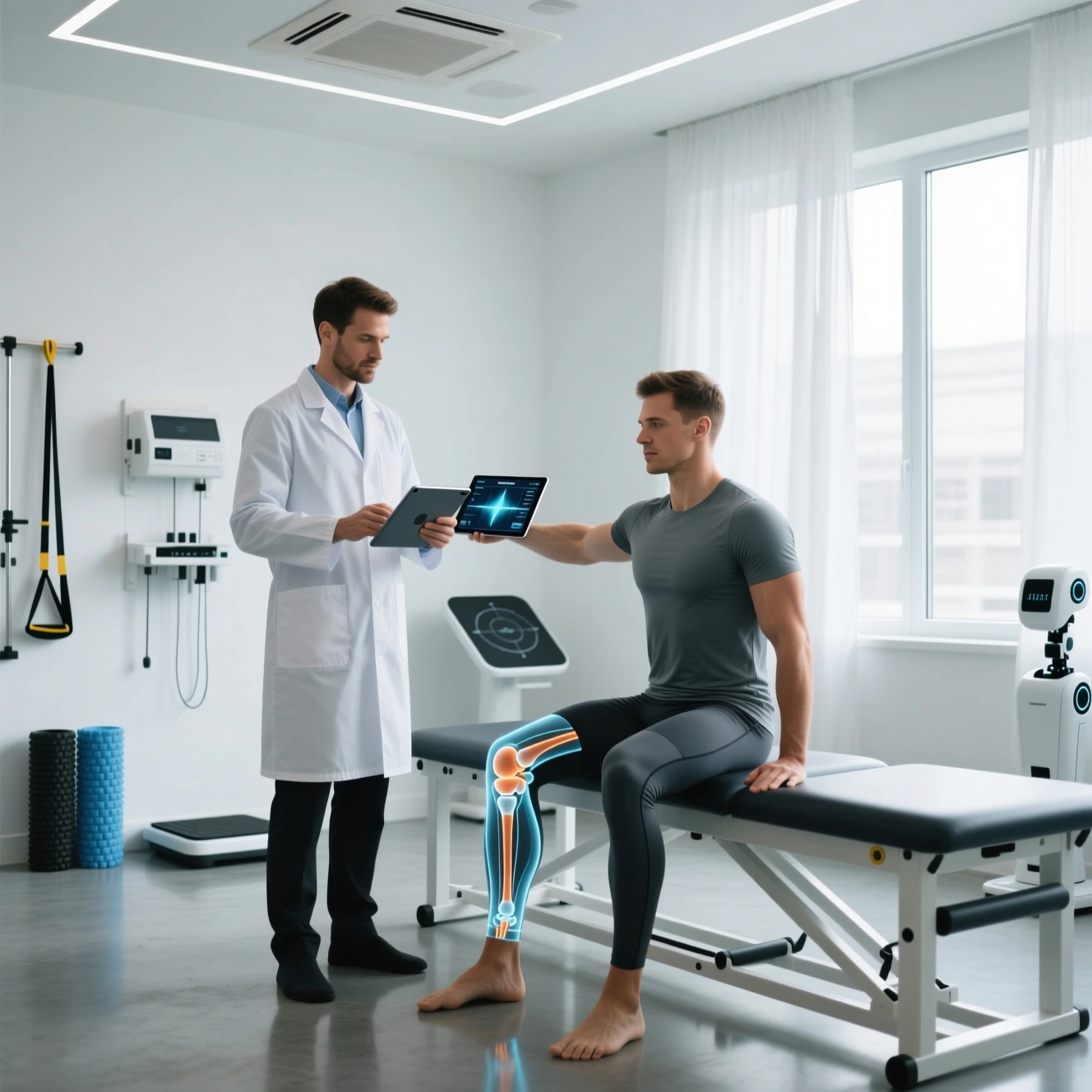
Physical therapy has always been a cornerstone of healthcare and rehabilitation. Traditionally, therapists relied on manual assessments, in-person sessions, and paper documentation to deliver care. However, advances in digital technology and artificial intelligence (AI) are transforming these methods.
Modern tools enhance patient outcomes, streamline therapy processes, and optimize the experience for both patients and therapists.
In this article, we explore the future of physical therapy and examine the technologies driving this transformation. We also highlight the role of leading companies like HEMSCap in revolutionizing rehabilitation practices.
Recent studies show that integrating technology in physical therapy can improve adherence to exercise programs and reduce recovery times. Wearable devices, mobile apps, and AI-driven platforms are increasingly used in clinical and home settings. These innovations allow therapists to track patient progress more accurately and make data-driven decisions. Furthermore, technology supports telehealth solutions, which have become crucial in providing care to patients in remote or underserved areas. Overall, these advancements are not only enhancing treatment effectiveness but also expanding access to rehabilitation services globally.
Wearable Technology and Motion Tracking
Wearable Devices for Patients
Wearable devices such as motion sensors, smartwatches, and smart garments can accurately monitor patient movements.
- These devices provide physical therapists with detailed insights into patient mobility, enabling real-time adjustments to therapy programs.
- Wearables help reduce human error and improve the effectiveness of rehabilitation exercises.
Motion Analysis and Real-Time Feedback
Artificial intelligence can transform motion tracking data into actionable insights.
- Software applications detect improper movement patterns and provide instant feedback to patients, ensuring exercises are performed correctly.
- This technology allows patients to train effectively at home while reducing the need for frequent in-person sessions.
Artificial Intelligence and Machine Learning in Physical Therapy
AI-Powered Treatment Planning
Artificial intelligence can process extensive patient data to create personalized treatment plans.
- AI considers medical history, injury severity, and therapy progress to design more effective interventions.
- This reduces human error and increases the precision of evaluations and treatments.
Automated Documentation
Platforms like HEMSCap’s GeniusPT automate therapy documentation.
- These systems generate treatment notes, SOAP notes, and progress reports automatically.
- Automated documentation saves therapists valuable time, allowing them to focus on patient care rather than paperwork.
Virtual Platforms and Telehealth
Remote Therapy
Digital platforms allow therapy sessions to be conducted remotely.
- Patients can perform exercises at home while therapists monitor progress online.
- Remote therapy is especially valuable for patients in rural areas or with mobility restrictions.
Online Group Classes and Education
Technology also supports virtual group classes and educational programs.
- Patients can participate in interactive group sessions, promoting engagement and motivation.
- Therapists benefit from online education, keeping their skills and knowledge up to date with best practices.
HEMSCap’s Role in Shaping the Future of Physical Therapy
HEMSCap is a leading company leveraging technology to enhance physical therapy outcomes. Its products include:
- PivotalPT: An AI-powered platform for therapy planning and exercise guidance.
Tracks patient movements and delivers real-time feedback.
Supports both in-person and remote sessions for flexible therapy delivery.
- HildaCoach: A digital coaching tool guiding patients through exercise programs.
Offers personalized rehabilitation plans tailored to individual patient needs.
Monitors progress and provides corrective instructions for optimal results.
- GeniusPT: Automated documentation system for therapists.
Produces therapy notes and progress reports without manual input.
Frees therapists to spend more time with patients and less time on paperwork.
HEMSCap demonstrates how technology can improve care quality, patient engagement, and the efficiency of therapy delivery.
Virtual Reality (VR) and Augmented Reality (AR) in Rehabilitation
Immersive Exercise Environments
Virtual reality allows patients to engage in rehabilitation exercises within immersive, simulated environments.
- VR enhances motivation and patient adherence to therapy programs.
- It also enables precise measurement of movement and reaction, improving treatment accuracy.
AR-Based Training for Therapists
Augmented reality can be used to train physical therapists interactively.
- Therapists can learn complex techniques visually, reducing learning curves and errors.
- AR integration improves practical skills and patient safety during rehabilitation sessions.
Big Data and Advanced Analytics
Improved Clinical Decision-Making
Data collected from therapy sessions and patient monitoring can be analyzed for better outcomes.
- Analytics reveal patterns in successful and unsuccessful treatments.
- Therapists can make data-driven decisions, optimizing therapy plans for each patient.
Predicting Therapy Outcomes
AI algorithms can predict patient recovery trajectories based on historical data.
- Therapists can proactively adjust treatments to improve results.
- Patients and families gain a clearer understanding of expected recovery timelines.
Challenges and Limitations
- Cost and Access to Technology: Advanced devices and smart platforms may be expensive for smaller clinics.
- Data Privacy and Security: Handling patient data requires compliance with standards such as HIPAA to protect sensitive information.
- Training and Adoption: Therapists and patients must learn to use new technologies effectively to maximize benefits.
Final Thoughts
The future of physical therapy is being transformed by digital tools, AI, wearable devices, virtual reality, and online platforms.
- These innovations improve treatment quality, increase patient access, and reduce human error.
- Companies like HEMSCap play a pivotal role in developing intelligent platforms that enhance therapy delivery.
- Successful adoption requires proper training for therapists and patients, as well as robust data privacy measures.
The integration of technology ensures that physical therapy will become more precise, personalized, and accessible than ever before, shaping a future where rehabilitation is more effective and patient-centered.
Looking ahead, the integration of technology into physical therapy will continue to evolve alongside clinical practice rather than replace it. Digital tools are most effective when they support clinical decision-making and strengthen the therapist–patient relationship. As evidence-based platforms mature, therapists will be better equipped to measure outcomes, adjust interventions, and demonstrate value within healthcare systems.
Regulatory standards, data security frameworks, and professional guidelines will play a critical role in shaping responsible technology adoption. Clinics that invest in training and thoughtful implementation will be more likely to see long-term benefits. Importantly, patient education and engagement will remain central to successful rehabilitation, regardless of technological advancement. When used appropriately, technology enhances accessibility, consistency, and quality of care, helping physical therapy meet the growing demands of modern healthcare systems.
FAQ (Frequently Asked Questions)
1. How is technology influencing the future of physical therapy?
Digital tools and AI are enabling personalized treatments, improving accuracy, and reducing the need for in-person sessions.
2. What role does HEMSCap play in physical therapy?
HEMSCap provides AI-powered platforms for documentation, motion tracking, and patient guidance, enhancing therapy efficiency and outcomes.
3. Are wearable devices beneficial for patients?
Yes, wearables provide accurate movement tracking and real-time feedback, ensuring patients perform exercises correctly.
4. How do VR and AR improve rehabilitation?
VR and AR create interactive, immersive environments that increase motivation and allow precise measurement of patient movements.
5. What are the main challenges of implementing technology in physical therapy?
Challenges include high costs, training and adoption requirements, and ensuring patient data privacy and security.