•
2026/02/22•HEMSCap Content Writer
Hybrid PT Model: Enhancing Physical Therapy Care with In-Clinic and Digital Integration
Introduction
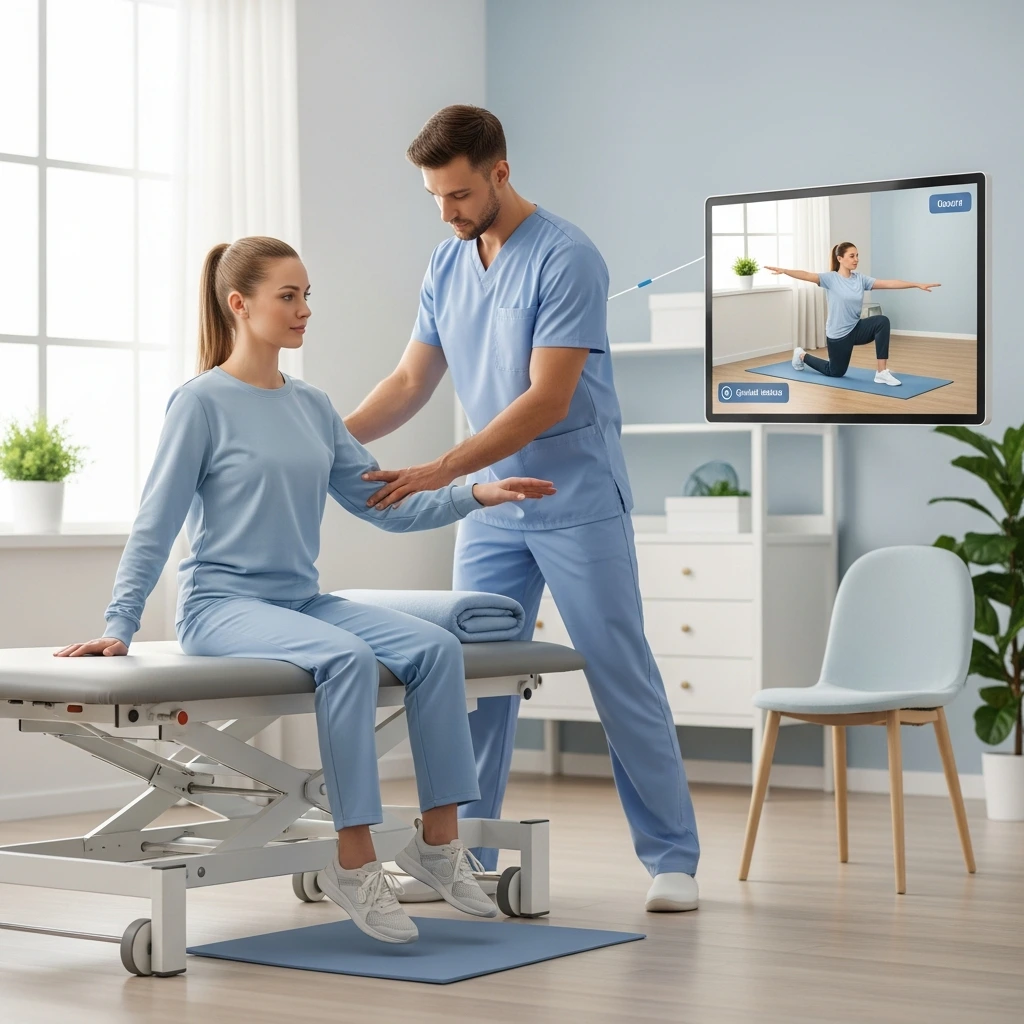
In recent years, digital technology and artificial intelligence (AI) have significantly transformed rehabilitation practices. One of the most impactful innovations in physical therapy is the Hybrid PT model. By combining in-clinic sessions with digital and Telehealth services, this model delivers more effective, flexible, and cost-efficient care.
The Hybrid PT model allows patients to perform part of their therapy at home while in-clinic sessions focus on advanced assessments, treatment adjustments, and supervised exercises. This approach is particularly valuable for patients with mobility limitations, geographic barriers, or chronic conditions that require ongoing monitoring.
Platforms like HEMSCap play a crucial role in enabling this model. With AI-based exercise guidance and remote monitoring, clinicians can create personalized treatment plans, track progress in real time, and optimize outcomes.
This hybrid approach is not merely theoretical research from clinical settings has shown that combining in-person and remote sessions can enhance overall patient satisfaction and safety. Studies of Telehealth physical therapy during the COVID‑19 pandemic revealed that patients and therapists often prefer a blended care model, because it leverages the strengths of both in‑clinic evaluation and remote follow‑up care. Evidence also indicates that remote PT, especially when integrated with traditional methods, can lead to significant improvements in functional outcomes like reduced pain and increased mobility for conditions such as chronic low back pain. Additionally, many physical therapists report that a hybrid care model enables them to maintain continuity of care while reducing barriers related to travel and scheduling. This trend aligns with broader healthcare delivery advancements, where digital tools are increasingly used to complement not replace hands‑on clinical expertise.
What is the Hybrid PT Model?
The Hybrid PT model is a physical therapy approach that delivers care through two main channels:
In-Clinic Sessions
In-person visits allow therapists to perform comprehensive assessments, evaluate patient function, and tailor treatment plans. These sessions are essential for diagnosing complex conditions, setting goals, and supervising exercises.
Digital and Telehealth Sessions
Patients can continue exercises at home using digital tools and Telehealth platforms, receiving real-time guidance and progress tracking. Remote monitoring ensures that patients perform exercises correctly and allows therapists to make timely adjustments.
Why the Hybrid PT Model Matters
Improved Patient Access
Many patients face barriers such as distance, mobility issues, or work schedules that prevent regular clinic visits. The Hybrid PT model allows patients to continue therapy at home, with clinicians monitoring progress remotely.
Increased Patient Engagement
Consistent feedback and digital support motivate patients to adhere to their exercise programs. Research shows that sustained engagement significantly improves rehabilitation outcomes.
Personalized Care Through Data
Digital platforms like HEMSCap use AI to analyze movement patterns, provide feedback, and generate progress reports. These insights allow therapists to optimize treatment plans for each patient’s specific needs.
The Role of Technology in the Hybrid PT Model
Technology is central to the success of the Hybrid PT model, enabling effective remote care. Key technological components include:
Artificial Intelligence and Motion Analysis
Tools like PivotalPT from HEMSCap utilize AI and motion tracking to analyze exercises and provide real-time feedback. This helps patients perform movements accurately and reduces the risk of injury.
Telehealth
Telehealth platforms allow therapists to maintain continuous communication with patients, answer questions, and adjust programs as needed, ensuring treatment adherence.
Automated Clinical Documentation
Tools like GeniusPT from HEMSCap use AI to generate portions of clinical documentation (SOAP notes), reducing administrative burden and allowing therapists to focus on patient care.
Real-World Implementation – HEMSCap
HEMSCap is a healthcare technology company providing AI-driven digital solutions for physical therapy. Its main products include:
PivotalPT
- AI-powered platform for guided exercises, real-time feedback, and remote monitoring.
- Enables therapists to create personalized programs and track patient progress with visual dashboards.
HildaCoach
- Intelligent exercise coach that combines AI insights with clinician oversight to deliver dynamic, patient-specific programs.
GeniusPT
- Clinical documentation assistant that leverages AI to draft notes, saving time and improving accuracy.
HEMSCap is designed to comply with healthcare security standards, including HIPAA, ensuring patient data protection.
Benefits for Clinics and Therapists
Hybrid PT models offer advantages beyond patient care:
Increased Efficiency
Digital tools reduce repetitive administrative tasks, allowing therapists to focus on patient interaction and therapy adjustments.
Expanded Clinic Reach
Offering digital services enables clinics to serve a broader patient population and increase treatment capacity.
Improved Documentation
AI-assisted documentation ensures accurate, timely clinical records, enhancing quality of care and minimizing human errors.
Challenges and Solutions
Digital Literacy
Some patients may struggle with technology. Providing tutorials, instructional videos, and ongoing support can address this barrier.
Internet and Device Access
Reliable internet and compatible devices are required for remote sessions. Clinics can offer guidance and recommendations to ensure accessibility.
Maintaining Human Interaction
While digital tools are valuable, preserving the in-person connection is critical. A balanced mix of clinic visits and remote sessions ensures patient confidence and engagement.
Final Thoughts
The Hybrid PT model represents a practical, evidence-based approach to modern physical therapy. By combining in-clinic and digital care, it improves patient access, enhances adherence to exercises, and provides real-time feedback for better outcomes. Platforms like HEMSCap demonstrate real-world success, leveraging AI and Telehealth to elevate the patient experience. When implemented thoughtfully, this model offers a sustainable, efficient, and patient-centered approach to physical therapy care.
In addition to patient convenience and improved adherence, real‑world evidence supports the clinical value of combining digital physical therapy tools with traditional care. Recent analyses of hybrid musculoskeletal care programs have shown measurable improvements in physical function, reductions in pain, and higher therapy adherence rates when remote monitoring and telehealth are integrated with in‑clinic sessions. Systematic reviews of telerehabilitation services for conditions like stroke also indicate that remote care can lead to equivalent or improved functional outcomes compared to face‑to‑face rehabilitation alone, particularly when paired with supervised physical therapy. Clinician perceptions further support hybrid care, as many therapists report that telehealth is most effective when used as a complement to in‑clinic care rather than a replacement, highlighting the importance of human interaction alongside technology. As healthcare delivery continues to evolve, hybrid models offer a sustainable way to expand access, maintain quality of care, and incorporate data‑driven insights without sacrificing clinical rigor. Together, these findings suggest that the Hybrid PT model is more than a trend—it represents an evidence‑based advancement in how physical therapy can be delivered in the modern era.
FAQ – Frequently Asked Questions
- What is the Hybrid PT model?
- The Hybrid PT model combines in-clinic and digital physical therapy sessions to deliver more effective, personalized care.
- How do digital tools like HEMSCap support this model?
- HEMSCap provides AI-driven exercise guidance, real-time feedback, and remote progress tracking, enhancing patient adherence.
- Who can benefit from a Hybrid PT model?
- Most patients can benefit, particularly those needing ongoing monitoring, limited mobility, or geographic flexibility.
- What equipment is needed for remote therapy sessions?
- Patients typically need a smartphone, tablet, or computer and a stable internet connection.
- What is the main advantage of using a Hybrid PT model?
- Improved access, better adherence to therapy, reduced costs, and enhanced treatment outcomes are the primary benefits.